
The Language of Flowers: What Roses, Peonies, Tulips and Their Shades Mean
The language of flowers made simple: the meaning of roses, peonies and tulips, what their shades say, and how to build a bouquet with the right message.
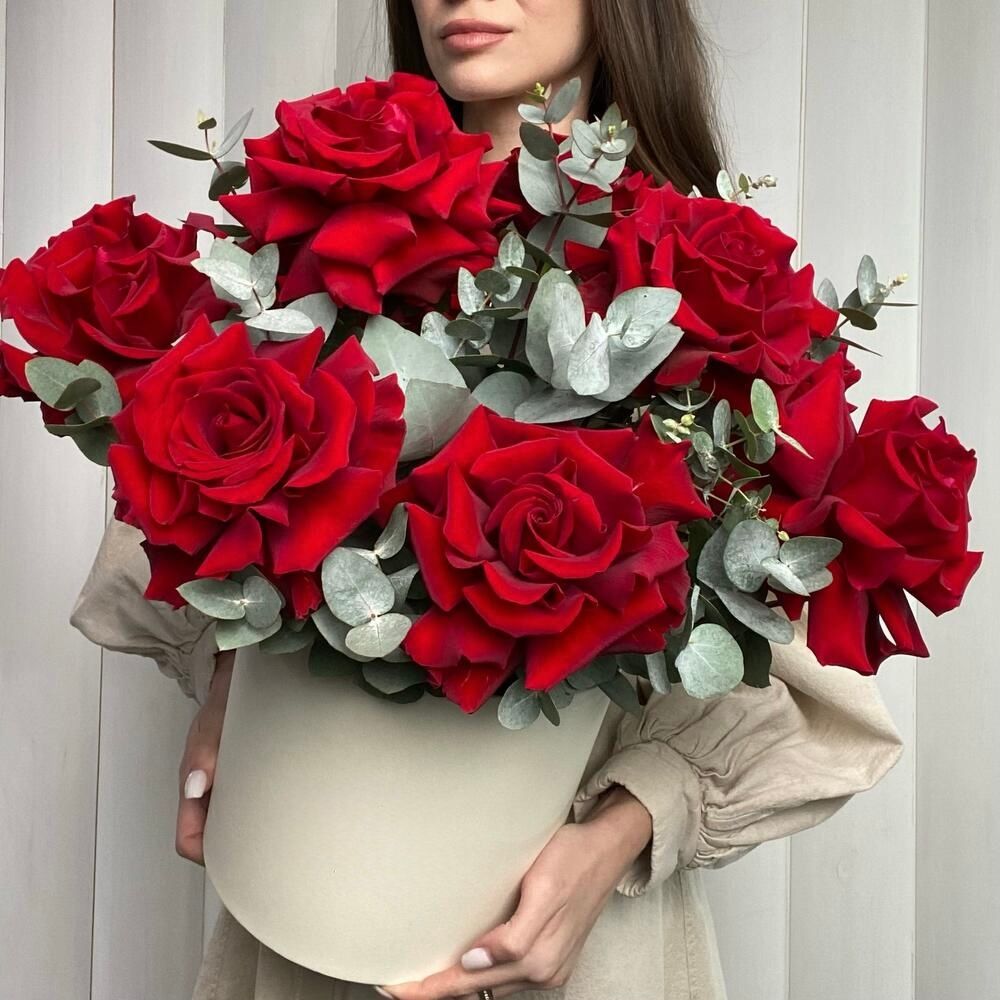
The language of flowers is a quiet code that lets a bouquet speak for you: some blooms confess love, others wish a quick recovery, and some simply say a warm “thinking of you”. To match the right mood, it helps to know what roses, peonies, tulips and their shades mean. We’re Valeriia Flowers, a floral studio in the Ciocana district of Chișinău, and we’ve put together a clear guide to help you choose a bouquet that is not only beautiful but right in meaning.
Where the language of flowers comes from
The tradition of conveying feelings through plants is called floriography. It flourished in the 19th century, when saying things directly felt awkward, so lovers spoke through bouquets: color, type of bloom and even the number of stems formed a whole message. A bouquet could confess love, ask forgiveness or express hope — all without a single word.
Today the strict rules have softened, but the core meanings remain. Knowing this code keeps you from missing the mark: the same flower in a different shade can sound like a passionate confession or like quiet, friendly support. So when you choose a bouquet, it pays to think not only about the mix of colors, but also about the message it will carry.
Roses and their shades
The rose is the headline flower of the language of feelings, and its shade meaning reads especially clearly. It’s a universal choice for romance, gratitude and big occasions, equally at home in a sleek single-variety bouquet or a lush composition.
- Red — passion, love, deep respect. The classic confession.
- White — purity, sincerity, a new beginning. Often seen at weddings.
- Pink — tenderness, admiration, gratitude. Softer than red.
- Yellow — friendship, joy, warmth with no romantic undertone.
- Peach — modesty, appreciation, genuine fondness.
If you want to amplify the message, mind the number: a single stem sounds like a tender “you’re the only one”, while a generous armful reads as a big, open feeling. The depth of the shade matters too: a deep burgundy speaks more seriously than a pale pink.
Peonies: a symbol of love and prosperity
The peony is a mood flower: lush, fragrant, a touch luxurious. In the language of flowers it means a happy marriage, sincere affection and prosperity, which is why peonies are given for engagements, anniversaries, or simply to say “you matter to me”.
Shades add nuance: deep-pink peonies speak of passion and celebration, soft-pink and coral ones of romance and care, and white ones of pure feeling and quiet joy. Their peak season is late spring and early summer, when bouquets of fresh peonies are at their best. In arrangements, peonies pair beautifully with roses and greenery, adding volume and a soft, generous fullness to the bouquet.
Tulips: spring and perfect love
The tulip is a herald of spring and a symbol of perfect, sincere love. It’s a light, unpretentious flower that suits both a romantic gesture and simply a good mood. Tulips are loved for their clean line and for the way they instantly make a space brighter.
- Red — a declaration of love, “I believe in us”.
- Yellow — sunny mood, joy (the modern reading, without the old “rejection”).
- White — apology, purity, respect.
- Purple — nobility, elegance.
- Pink — care, warm affection.
Tulips look lovely both on their own and alongside other spring flowers. And if you want to say several things at once, feel free to blend the shades: a pastel mix sounds like a warm, many-voiced wish of goodwill.
How to build a bouquet with the right message
For a bouquet to sound whole, start with the feeling you want to convey and only then choose the flowers and shade to match it. You don’t need to memorize all of floriography — a few reference points are enough.
- Love — red roses, deep peonies, red tulips.
- Gratitude — pink and peach roses, coral peonies.
- Friendship and support — yellow roses and tulips.
- Congratulations and joy — light peonies, pastel mixes.
One more tip: keep the recipient’s character in mind. Some people prefer the sleek classic of a single-variety bouquet, others love lush, romantic compositions. When the shade, shape and mood match the person, the bouquet reads as a very personal message rather than a routine gift.
Frequently asked questions
What does a red rose symbolize?
A red rose means passionate love, admiration and deep respect — it’s the most direct way to confess your feelings.
Which flowers are given for an anniversary?
Peonies and roses: they symbolize a strong union, love and prosperity, making them perfect for an anniversary.
Can I give yellow tulips and roses?
Yes. In the modern language of flowers, yellow means joy, friendship and a sunny mood, not rejection as it once did.
Which flowers should I choose for no special reason?
Tulips or delicate peonies: they bring a spring mood and say a simple “thinking of you” without any fuss.
When you know what flowers mean, choosing a gift becomes easy and enjoyable. And the florists at Valeriia Flowers will help you build a bouquet with the right message: we work with fresh flowers straight from the plantations, send a photo of the bouquet before dispatch, and deliver across Chișinău within 1–2 hours on the day of order. Call +373 79 43 49 55 — and let your flowers say exactly what you mean.